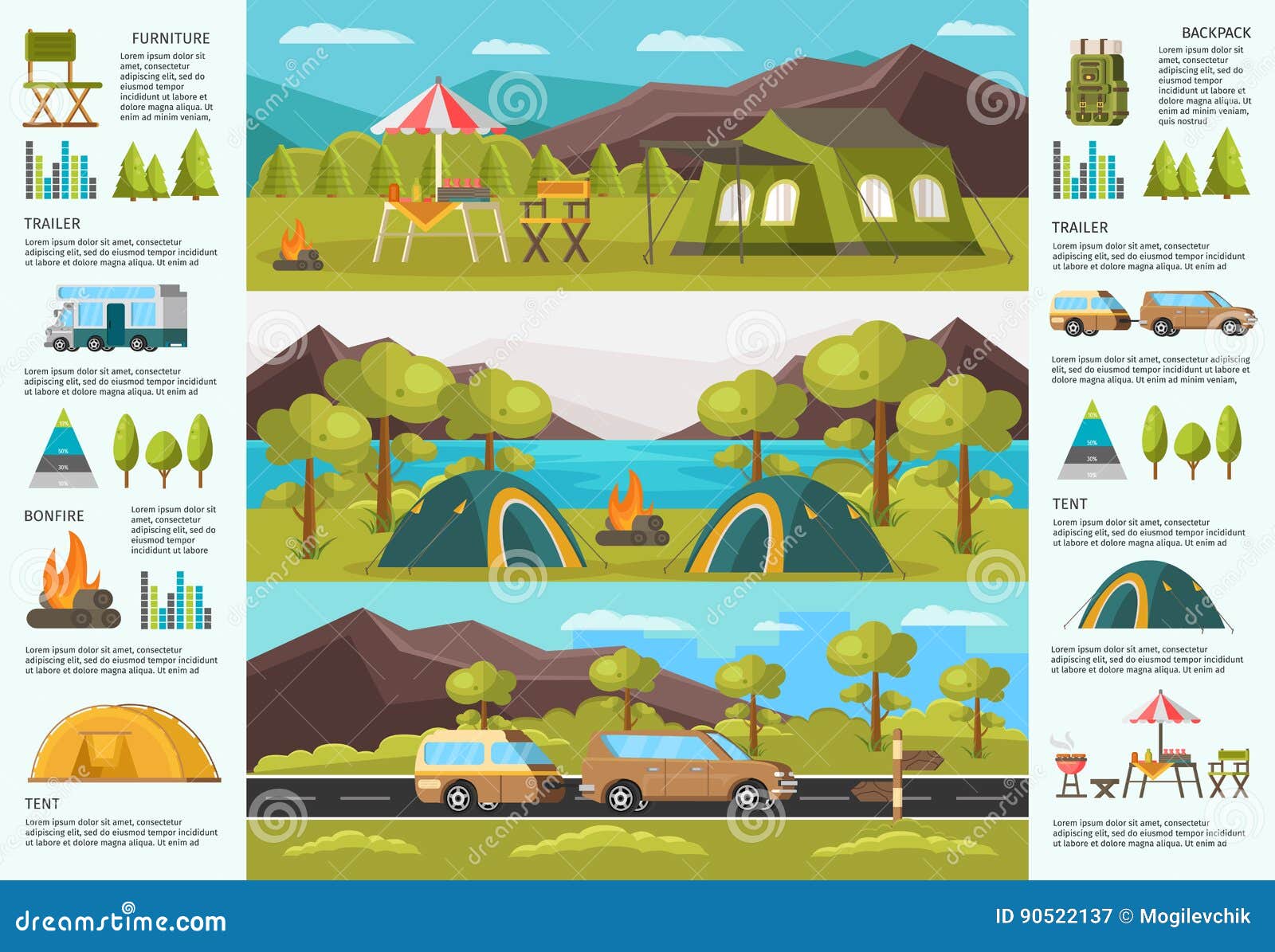
Outdoor Equipment For Remote Campsites
Ideal Eco-Friendly Waterproofing Treatments
Water damages is just one of the most persistent hazards to homes, decks, roofings, and outdoor furnishings. For decades, the best options were petroleum-based sealants and therapies packed with unpredictable natural compounds (VOCs) that off-gas unsafe fumes and remain in dirt and waterways long after application. Today, a new generation of green waterproofing treatments supplies the exact same protective efficiency without the environmental price. Whether you're sealing a wood deck, safeguarding a cellar wall, or waterproofing exterior gear, there's a greener alternative worth thinking about.
Why Choose Eco-Friendly Waterproofing?
Traditional waterproofing products usually count on solvents that release hazardous fumes during and after application. These substances can irritate lungs and skin, infect groundwater during overflow, and take years to break down in the environment. Environment-friendly alternatives utilize plant-based oils, all-natural waxes, mineral compounds, and water-based solutions that significantly reduced VOC emissions while still developing a durable, breathable obstacle versus moisture. Selecting green waterproofing isn't simply a feel-good decision; it likewise tends to be much safer for youngsters, animals, and any person with chemical sensitivities.
Linseed and Tung Oil Treatments
2 of the earliest and most trusted all-natural waterproofing representatives are linseed oil and tung oil. Both are originated from plants and pass through deep into wood fibers as opposed to simply finishing the surface. Tung oil, pressed from the seeds of the tung tree, treatments right into a difficult, waterproof coating that holds up well on decks, furniture, and watercrafts. Linseed oil, pushed from flax seeds, is slightly softer however very easy to reapply and blends wonderfully right into raw timber grain. Neither contains synthetic solvents, and both are eco-friendly, making them ideal for gardens, playsets, and anywhere overflow can get to soil or water.
Beeswax and Natural Wax Sealers
Beeswax-based sealers have actually grown prominent for treating wood, canvas, and natural leather. When combined with plant oils, beeswax creates a versatile, water-repelling film that stands up to cracking in altering weather condition. It's generally used on outdoor jackets, camping tents, and device takes care of, and it has actually the added benefit of being fully compostable at the end of its life. Carnauba wax, gathered from palm leaves, uses comparable defense with a harder, glossier coating, often used on wood furniture and even some car applications.
Silicate and Mineral-Based Sealers
For concrete, brick, and stonework surface areas, silicate-based sealants are an exceptional eco-conscious selection. These therapies respond chemically with the minerals currently existing in concrete, forming a dense, crystalline structure that blocks water infiltration from within instead of resting on top as a movie. Since they're not natural and devoid of solvents, silicate sealants do not discharge unsafe fumes, and they permit stonework to continue to be breathable, lowering the threat of entraped dampness and mold and mildew. They're specifically well matched to cellars, preserving wall surfaces, and structures.
Water-Based Polymer Sealants
Not every environment-friendly waterproofing item requires to be plant-derived. Water-based acrylic sealers have enhanced considerably and now rival traditional solvent-based products in durability, while producing far less VOCs. These sealers function well on roofings, exterior siding, and outside fabrics, curing right into an adaptable, UV-resistant membrane layer. Lots of are developed to clean up with soap and water instead of rough solvents, which additionally minimizes the environmental concern during application and disposal.
Cork and Recycled Rubber Membranes
For larger waterproofing projects such as level roof coverings or structure wall surfaces, cork and recycled rubber membranes provide a sustainable alternative to typical asphalt sheet. Cork is naturally waterproof, sustainable, and naturally degradable, while recycled rubber membranes repurpose old tires that would certainly or else sit in landfills. Both products supply lasting protection and solid insulation value, making them a smart selection for energy-conscious builds.
Tips for Applying Eco-Friendly Treatments
Getting the most effective arise from eco-friendly waterproofing products usually boils down to preparation. Surfaces need to be tidy, dry, and devoid of old finishes before a brand-new therapy is applied, given that all-natural oils yert tent and sealers require direct contact with the product to bond appropriately. Multiple slim coats generally outshine one thick layer, and reapplication routines often tend to be a lot more frequent than artificial products, typically yearly for high-traffic or high-exposure areas. Checking out product tags for certifications such as low-VOC, eco-friendly, or plant-based can assist validate a product's ecological insurance claims.
Last Thoughts
Waterproofing does not have to come with the planet's expenditure. From tung oil and beeswax to silicate sealers and recycled rubber membrane layers, eco-friendly alternatives now cover almost every surface and application when dominated by petroleum-based products. With a little additional upkeep, these treatments supply dependable, lasting protection while maintaining harmful chemicals out of the air, dirt, and water supply.